
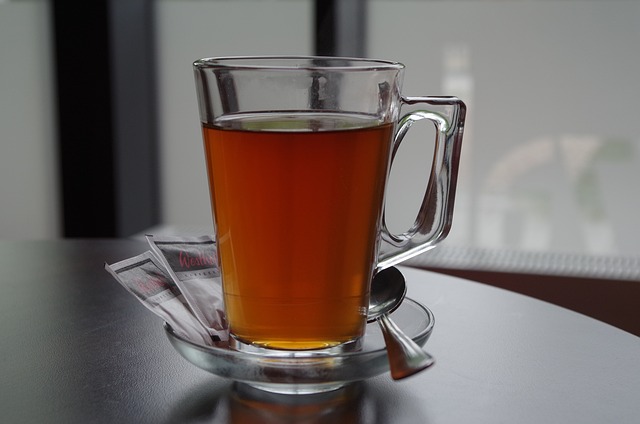
As we move into the colder months, hot drinks are becoming even more tempting. So let’s explore some of the many alternatives to tea and coffee.
You may think café culture is a recent phenomenon, but tea shops and herbal infusions, are social traditions, as old as we are. In Japan, tea making is a ritual art form, whereas grinding and drinking kava root in many Pacific islands, is a men’s rite of initiation. When you order a turmeric latté, you access 2000 years of Indian medicinal knowledge in the Ayurvedic system. Maccha teas gift herbal lore from South America, a wealth of novel plants for new health knowledge.
Tisanes that support health
Many old beverages were medicinal, often made up specifically for a person with chronic ailments or to support convalescence, by a skilled herbalist. Our grandmothers often held this role, too, as they knew their family patterns of ‘dis-ease’.
Modern science validates the active phyto chemicals that activate healing responses when we drink specific teas. All plants contain essential oils that stimulate the thousands of olfactory receptors, throughout our bodies – like going to an online dictionary of plant resources, especially designed for you!
Some are known stimulants, like the caffeine in tea and coffee, or the alcohol in brews and ferments. Stout, a form of root beer, was suggested to breast-feeding mums, to boost milk production! Others were used for digestive aids, supporting immunity, as anti-parasitic, anti inflammatory or calming to the emotions and for sleep. Herbal blends, such as reishi mushrooms or cannabis decoctions, for pain reducing or palliative use were highly valued before modern pain-killers.
Black teas (eg “gumboot” tea), green tea or Oolong tea all come from the tea plant (Camellia sinensis). It can also be blended to create a range, eg English Breakfast tea includes bergamot orange essential oil.
Herbal teas are a major part of the modern tea world, but did you know they’re not technically teas? They are actually a decoction made from a plant other than Camellia sinensis, called “tisanes” (pronounced tea-zahn), “botanicals,” or “infusions.” Tisanes are caffeine-free and can be served hot or cold. Herbal infusions are usually categorised by what part of the plant they come from. Here are some examples to try:
- Leaf:
- lemon balm, mint, lemongrass and lemon verbena (cleans gut, uplifts mood, anti-parasitic, anti-viral)
- Flower:
- rose, chamomile, hibiscus, and lavender (lifts mood)
- Bark:
- cinnamon, slippery elm, and black cherry bark (regulates central nervous system, gut support)
- Root:
- ginger, echinacea, and chicory or dandelion (cleanse the gut, detox liver and support immunity)
- Fruit/berry:
- raspberry, blueberry, blackcurrant, wolfberry, peach, and apple (immunity and gut health)
- Seed/spice:
- cardamon, caraway, and fennel (liver detox, mood lifters)
Occasionally, tisanes are made from moss, stems, or other plant matter. Kombucha is often classified as a tisane, but it is technically a symbiotic colony of yeast and bacteria (or “SCOBY”).
Most tisanes should be prepared as an infusion or a decoction. Infusions are how we make tea—pouring boiling water over plant matter, also called steeping. Decoction is the method of placing the plant material in boiling water, which releases more essential oils and flavour. Decoctions are often used for plant matter with tough surfaces or smaller surface areas. For this reason, leaf, flower, and seed tisanes are generally steeped (infusions), whereas bark, root, and berry tisanes are generally prepared as decoctions.
Brewing times and proportions for tisanes vary widely. They may be as short as two minutes or as long as 15 minutes, and may require as little as a pinch of plant material per cup of water or as much as several tablespoons per cup. Luckily, most vendors will supply you with instructions for each type they offer.
As we re-discover the benefits of natural herbal infusions, and the healing uplift of good friends, an exciting window into good health opens to the adventurous. So be adventurous and try a tisane, today!
Turmeric Latte
As already mentioned, these come from the Ayurvedic health system, and are becoming more popular around the world. Turmeric offers many additional health benefits over coffee or caffeine-rich black teas.
Fill a small jar with the following ingredients and mix to combine:
- 2 Tbls turmeric powder
- 2 Tbls cinnamon powder
- 1 Tbls ginger powder
- 5 grinds of black pepper
- Optional – star anise, cardamom, whole cloves
To Drink daily:
- Add 1 tsp of powder to a cup of boiling water in a pot and simmer for 3-4 minutes.
- Strain into a cup
- Add milk (or plant mylk) and honey/maple syrup/sugar to taste

Hot “toddies”
These are usually characterised by the inclusion of alcohol such as whiskey, brandy or rum. Mulled red wine isn’t technically a hot “toddy” but is included here. First, some non-alcoholic alternatives, which we prefer. Then links to some alcoholic versions.
Non-alcoholic mid-winter “mulled wine”
Our bodies crave anti-oxidants during the winter months, and there is a New Zealand speciality, Barkers Blackcurrant Juice, that captures all the great nutrition of the summer. Buy the Immunity Blackadder blackcurrant for the most healthful (unsweetened) variant.
A favourite at Wellness Hub meetings in the winter. Quick and easy to make. Serve warm:
- a tablespoon of Blackcurrant syrup
- topped up with hot (but not boiling) water
- optional: sweeten with maple syrup or NZ honey (preferably manuka) – some recipes for mulled wine include maple syrup and others use honey, so take your pick
- for a tonic, add:
- a drop of ‘Christmas Spirit’, a Young Living Essential Oil (EO) blend, with the healthy cinnamon, orange and Spruce mix for mental uplift
- or a drop of any other culinary quality orange EO + a pinch of cinnamon
- or just the cinnamon, if you don’t have a culinary quality EO.
Not Toddy
A hot toddy is usually a mixture of dark spirit, lemon, honey, and hot water. For a non-alcoholic, non-caffeinated version, start with a tisane of ginger or cinnamon. Add about a heaped teaspoon (or to taste) of good quality honey. Lastly, add freshly squeezed lemon juice.
- How to make ginger “tea” from fresh ginger (scroll down past all the benefits to get to the recipe)
- How to make cinnamon “tea” from cinnamon sticks – 3 different recipes
- You could also use rooibus, as it is naturally caffeine free. Red Seal do a chai blend, which would be nice. Or combine plain rooibus with either (or both) of the others.
Ginger Shots
These are typically more concentrated than the ginger, lemon & honey toddy above. They may also include other ingredients. As they are more of a tonic and less of a comforting hot drink, they have their own spot in our winter tonics post.
Other recipes
- 10 Warm and Soothing Hot Toddy Recipes – most include alcohol, black tea or both
- Mulled wine, with maple syrup and (optional) brandy – the brandy can be omitted, but a small amount of it gives an added depth of flavour
- Mulled wine, with honey & brandy

Related posts
Recipe posts compiled by Deb.
For more recipes, go to the Recipe Index
 brooklynwellness.nz